1. Misuse of Scientific Findings:
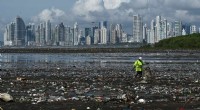
* Environmental Damage: Scientific advancements in technology can have unintended consequences. For example, industrial processes that rely on science can lead to pollution and climate change.
* Weaponization: Scientific knowledge can be used to develop weapons of mass destruction, posing a threat to communities and global security.
* Unethical Research: Scientific research can be misused for unethical purposes, such as genetic engineering for discriminatory reasons or animal testing without proper ethical considerations.
2. Lack of Accessibility and Communication:
* Information Gap: Complex scientific concepts can be difficult for the general public to understand. This can lead to a lack of engagement and distrust in scientific institutions.
* Limited Access to Resources: Scientific resources, such as healthcare and education, may not be equally available to all members of a community, leading to health disparities and social inequalities.
* Ignoring Traditional Knowledge: Scientific advancement can sometimes overshadow traditional knowledge systems, leading to the loss of valuable cultural practices and ecological understanding.
3. Societal Impact:
* Job Displacement: Automation driven by scientific innovation can lead to job losses in certain sectors, impacting the livelihoods of community members.
* Economic Disparity: The benefits of scientific advancements may not be distributed evenly, leading to widening economic gaps and social inequality.
* Ethical Dilemmas: Scientific discoveries can raise complex ethical questions, such as in areas like gene editing or artificial intelligence, requiring careful societal debate and decision-making.
4. Over-reliance on Science:
* Blind Trust: Overly trusting scientific findings without critical thinking can lead to a lack of skepticism and the acceptance of misinformation.
* Neglect of Other Perspectives: Science may not always provide complete answers, and relying solely on it can neglect valuable insights from other perspectives, such as art, philosophy, or spirituality.
It's important to remember that:
* Science is not a monolithic entity. There are diverse scientific fields and approaches, and not all are equal in their potential for harm or benefit.
* Science is a process of constant learning and refinement. It's crucial to be open to new evidence and to challenge existing assumptions.
* Open communication and collaboration are essential. Engaging the community in scientific discussions can help address concerns, mitigate potential harms, and ensure that science serves the needs of all people.
By recognizing the potential downsides of science and fostering a thoughtful and ethical approach to its application, communities can harness its power for positive change while mitigating its potential risks.