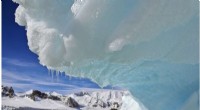
1. Ice Cores: Ice cores are cylindrical samples drilled from glaciers and ice sheets. These cores contain layers of compressed snow, which act like a time capsule. Scientists can analyze:
* Trapped air bubbles: These bubbles provide a snapshot of the atmosphere's composition at the time the snow fell, revealing information about greenhouse gases like carbon dioxide.
* Isotopes: Analyzing the ratios of different isotopes (variations of elements) in the ice can reveal information about past temperatures, precipitation patterns, and volcanic activity.
2. Sediment Cores: Ocean and lake bottoms accumulate layers of sediment over time. These layers contain fossils, pollen, and other organic matter that provide clues about past climates:
* Fossil analysis: The types and abundance of fossils in different layers can indicate the types of plants and animals that lived in a particular area, suggesting the climate at the time.
* Pollen analysis: Pollen grains from different plant species can be identified and used to reconstruct past vegetation patterns, which are closely tied to climate.
* Chemical analysis: The chemical composition of sediment layers can reveal information about past ocean temperatures, salinity, and other environmental conditions.
These are just two of the many methods scientists use to unravel Earth's climate history. By studying these "archives" of the past, scientists gain valuable insights into how our planet's climate has changed and how human activities might be impacting it today.