1. Physical Sciences:
* Physics: The study of matter, energy, and their interactions. This includes mechanics, heat, light, sound, electricity, magnetism, and nuclear physics.
* Chemistry: The study of the composition, structure, properties, and reactions of matter. This includes organic chemistry, inorganic chemistry, analytical chemistry, and physical chemistry.
* Astronomy: The study of celestial objects and phenomena. This includes stars, planets, galaxies, and the universe as a whole.
* Geology: The study of the Earth's physical structure, composition, history, and processes. This includes mineralogy, petrology, geochemistry, and seismology.
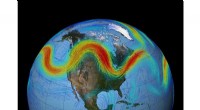
* Meteorology: The study of the Earth's atmosphere and its phenomena, including weather, climate, and atmospheric circulation.
2. Life Sciences (Biology):
* Botany: The study of plants, including their structure, physiology, ecology, and classification.
* Zoology: The study of animals, including their structure, physiology, behavior, ecology, and classification.
* Microbiology: The study of microorganisms, including bacteria, viruses, fungi, and protozoa.
* Ecology: The study of the interactions between organisms and their environment.
* Genetics: The study of heredity and the transmission of genetic information.
* Evolutionary Biology: The study of the origin, diversification, and adaptation of life on Earth.
3. Earth Sciences:
* Oceanography: The study of the oceans, including their physical properties, chemistry, biology, and geology.
* Environmental Science: The study of the interactions between humans and the environment, including pollution, resource management, and climate change.
* Geography: The study of the Earth's surface, including its physical features, human populations, and cultural landscapes.
Interdisciplinary Fields:
* Biochemistry: The study of the chemical processes and substances involved in living organisms.
* Biophysics: The study of the physical principles underlying biological processes.
* Geophysics: The study of the Earth's physical properties and processes using physics.
* Astrobiology: The study of life in the universe, including the search for extraterrestrial life.
This is not an exhaustive list, and there are many other sub-branches and specialized fields within natural science. The boundaries between these fields are often blurred, and many areas of research involve multiple disciplines.