Here's why:
* Biogeography is the study of the distribution of species across the globe. It examines factors like geographic barriers, climate, and historical events that have shaped the location and diversity of life on Earth.
* Patterns of Distribution: Biogeographers observe that related species often cluster together in specific regions, suggesting common ancestry. For example, marsupials are predominantly found in Australia, while placental mammals dominate other continents. This distribution pattern points to evolutionary divergence from a common ancestor.
* Island Biogeography: The study of island ecosystems provides compelling evidence for evolution. Islands often harbor unique species that have evolved in isolation, demonstrating adaptive changes influenced by the island's environment.
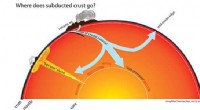
* Continental Drift: The theory of continental drift explains how the movement of tectonic plates has influenced the distribution of species over millions of years. This theory supports the idea that species have evolved and dispersed alongside the changing landmasses.
Therefore, biogeography provides a powerful framework for understanding the evolutionary history of life on Earth, using the distribution of species as a key piece of evidence.