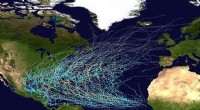
* Natural Cycles: Ecosystems are influenced by natural cycles like seasons, weather patterns, and the flow of energy and nutrients. These cycles lead to changes in populations, species composition, and the physical environment.
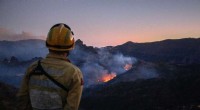
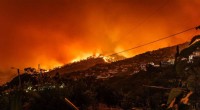
* Natural Disturbances: Ecosystems experience natural disturbances like wildfires, floods, volcanic eruptions, and insect outbreaks. These events can reshape landscapes, alter species distributions, and create opportunities for new species to establish themselves.
* Evolutionary Processes: Species within ecosystems constantly evolve, adapting to changing conditions and competing with each other. These evolutionary processes contribute to ongoing changes in the structure and functioning of ecosystems.
* Succession: Over time, ecosystems undergo natural succession, a gradual process of change where communities of organisms replace each other. This can be driven by factors like disturbance, competition, and the availability of resources.
Human impacts are significant, but not the only driver of change. While human activities can cause rapid and dramatic changes, ecosystems are dynamic systems that are constantly in flux, even without our direct intervention. Understanding these natural processes is crucial for managing and protecting ecosystems.