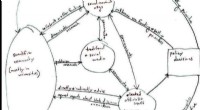
Ecological sin is a term that describes the ways in which humans harm the natural world and violate the interconnectedness of life. It goes beyond simple environmental issues and addresses the deeper moral and spiritual dimensions of our relationship with the Earth.
Here's a breakdown of the concept:
What it is:
* Sin against creation: It recognizes that humans are not above or separate from nature, but are part of a complex web of life. Actions that harm the environment are seen as a violation of God's creation and our responsibility to care for it.
* Ignoring our interconnectedness: It emphasizes the interdependence of all living beings and the harm caused by actions that disrupt this balance. This can include pollution, deforestation, climate change, and the exploitation of natural resources.
* A moral and spiritual issue: Ecological sin is not just about environmental damage, but about the underlying values and attitudes that lead to it. It calls for a change in our worldview, a shift from consumerism and self-interest to a deeper respect for the Earth and its inhabitants.
Key aspects:
* Individual responsibility: Everyone contributes to ecological sin, even through seemingly small actions.
* Systemic injustice: Systemic factors, like economic inequality and political structures, can perpetuate ecological damage.
* Need for repentance and change: Addressing ecological sin requires acknowledging our wrongdoing, taking responsibility for our actions, and working towards a more sustainable way of life.
Examples of ecological sin:
* Pollution: Polluting water, air, and soil with toxic substances harms both human health and the natural world.
* Deforestation: Destroying forests for logging, agriculture, or development disrupts ecosystems and contributes to climate change.
* Climate change: The burning of fossil fuels and other human activities are causing the planet to warm, leading to extreme weather events, rising sea levels, and habitat loss.
* Overconsumption: Our excessive consumption of resources, from food and energy to clothes and electronics, puts a strain on the environment.
Beyond Environmentalism:
Ecological sin is more than just environmentalism. It calls for a deeper transformation of our relationship with the natural world. It encourages us to:
* Recognize our place in the web of life: We are not the masters of nature, but part of it.
* Live in harmony with the Earth: Our actions should respect the natural world and its limits.
* Embrace a spirit of stewardship: We have a responsibility to care for creation for future generations.
Understanding ecological sin can help us to develop a deeper moral compass and make more sustainable choices. It reminds us that our actions have consequences for the whole Earth and for future generations.