1. Global Cycles:
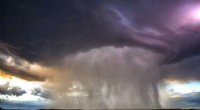
* Water cycle: Water evaporates from oceans and lakes, forms clouds, precipitates as rain or snow, and flows back to the oceans via rivers and groundwater. This cycle connects all ecosystems, as water is essential for life and is constantly moving between them.
* Carbon cycle: Carbon is exchanged between the atmosphere, oceans, land, and living organisms. Photosynthesis by plants and algae absorbs carbon dioxide from the atmosphere, while respiration releases it. This cycle links ecosystems through the flow of energy and the cycling of essential nutrients.
* Nitrogen cycle: Nitrogen, a crucial element for life, is cycled between the atmosphere, soil, and living organisms. This cycle is heavily influenced by microorganisms in diverse ecosystems, highlighting the interconnectedness of these biological processes.
2. Migration and Dispersal:
* Animal migration: Many animal species migrate between ecosystems for breeding, feeding, or avoiding harsh conditions. This movement connects ecosystems by transporting nutrients, seeds, and disease vectors.
* Plant seed dispersal: Seeds are dispersed by wind, water, and animals, allowing plants to colonize new areas and connect ecosystems. This connection can be vital for biodiversity and resilience.
3. Climate and Weather Patterns:
* Atmospheric circulation: Air currents connect ecosystems by transporting heat, moisture, and pollutants. This can influence local weather patterns, impacting ecosystem productivity and distribution.
* Ocean currents: Ocean currents transport heat, nutrients, and marine life, influencing climate and connecting marine ecosystems.
4. Human Impact:
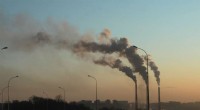
* Pollution: Pollution from one ecosystem can easily travel to another, impacting the health and function of both. For example, air pollution from industrial areas can affect forests and lakes thousands of miles away.
* Climate change: Climate change is affecting ecosystems globally, causing shifts in species distributions, changes in ecosystem services, and increased risk of natural disasters.
* Habitat destruction: Human activities such as deforestation and urbanization fragment ecosystems, isolating populations and reducing biodiversity.
5. Food Webs and Trophic Interactions:
* Interconnected food webs: Food webs can extend across multiple ecosystems, highlighting the interdependence of species and the flow of energy between them. For example, migratory birds feed in different ecosystems throughout the year, connecting them through the food web.
The interconnectedness of ecosystems emphasizes the importance of considering the whole picture when managing and protecting our planet. Actions taken in one ecosystem can have far-reaching consequences for others.