Focus and Scope:
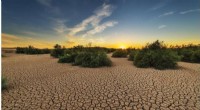
* Deserts: Desert science focuses on the adaptations of organisms to extreme aridity and high temperatures, including water conservation mechanisms, physiological adaptations, and social interactions. Research areas include plant physiology, animal behavior, geomorphology, and soil science.
* Wetlands: Wetland science focuses on the unique ecological processes in water-saturated environments, including nutrient cycling, water flow, and biodiversity. Research areas include hydrology, plant ecology, wildlife management, and environmental conservation.
Habitat and Biodiversity:
* Deserts: Deserts are characterized by low precipitation, high temperatures, and sparse vegetation. The biodiversity is often lower compared to wetlands due to the harsh conditions, but adaptations to aridity lead to unique and specialized organisms.
* Wetlands: Wetlands are characterized by high water content, diverse plant communities, and high biological productivity. They provide essential habitats for a wide array of species, including birds, fish, amphibians, and invertebrates, contributing significantly to regional biodiversity.
Resource Availability and Management:
* Deserts: Water availability is the primary limiting factor in deserts, leading to intense competition for resources and unique adaptations for survival. Water management and conservation are crucial for human settlements and ecosystem health.
* Wetlands: Wetlands play a crucial role in water filtration, flood control, and nutrient cycling. Their management involves balancing human needs with ecological conservation, often addressing issues like pollution, invasive species, and land use changes.
Challenges and Research Priorities:
* Deserts: Research in desert science often focuses on understanding climate change impacts, drought management, and sustainable resource use. Conservation efforts prioritize protecting rare species and fragile ecosystems.
* Wetlands: Research in wetland science focuses on habitat restoration, pollution control, and climate change adaptation. Conservation efforts aim to protect and restore wetland ecosystems and their critical ecological services.
Methodology and Tools:
* Deserts: Research in deserts often involves field studies, remote sensing, and modeling to understand water movement, plant physiology, and animal behavior.
* Wetlands: Research in wetlands utilizes a variety of methods, including water quality monitoring, plant surveys, animal tracking, and GIS mapping to assess habitat conditions and ecological processes.
Overall:
Desert and wetland science represent distinct areas of ecological research with unique challenges, opportunities, and applications. Both fields contribute significantly to understanding the natural world and informing sustainable management practices.