1. Biological Events:
* Migration: The seasonal movement of animals, often for breeding, feeding, or to escape harsh weather.
* Predator-Prey Cycles: Fluctuations in the populations of predator and prey species, often with a lag in the response of the predator population.
* Succession: The gradual change in plant and animal communities over time, leading to a more stable climax community.
* Competition: The struggle between organisms for limited resources like food, water, or territory.
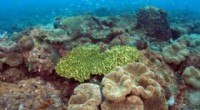
* Symbiosis: The close and often long-term interaction between two different species, which can be beneficial, harmful, or neutral for the involved organisms.
2. Physical Events:
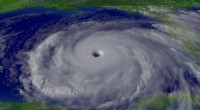
* Weather Patterns: The recurring patterns of precipitation, temperature, wind, and other atmospheric conditions.
* Climate Change: Long-term shifts in global weather patterns, driven by factors like greenhouse gas emissions.
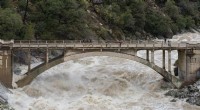
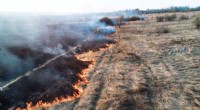
* Natural Disasters: Events like wildfires, floods, volcanic eruptions, and earthquakes that can have significant impacts on ecosystems.
* Tsunamis: Large waves caused by underwater earthquakes or volcanic eruptions that can devastate coastal regions.
* El Niño/La Niña: Periodic warming or cooling of the Pacific Ocean, affecting weather patterns across the globe.
3. Human-Induced Events:
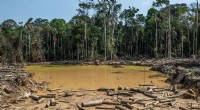
* Deforestation: The clearing of forests for various purposes, leading to habitat loss and biodiversity decline.
* Pollution: The release of harmful substances into the environment, affecting air, water, and soil quality.
* Climate Change: Human activities like burning fossil fuels are contributing to the warming of the planet and altering weather patterns.
* Habitat Fragmentation: The division of large continuous habitats into smaller, isolated patches, reducing biodiversity and ecosystem function.
* Invasive Species: The introduction of non-native species into an ecosystem, which can outcompete native species and disrupt ecological balance.
Understanding these phenomena helps us to:
* Appreciate the complexity of ecosystems: It highlights how various components are interconnected and influence each other.
* Predict and manage ecological change: By understanding the drivers and consequences of ecological phenomena, we can better anticipate and manage potential risks.
* Conserve biodiversity and ecosystem services: Knowledge of these events is crucial for developing strategies to protect biodiversity and ensure the continued provision of essential ecosystem services.