1. Geology and Earth Sciences:
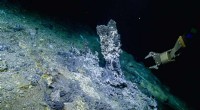
* Understanding Earth's History: Rocks are like time capsules, holding clues about the Earth's history, past environments, and geological processes. Knowing their properties helps us interpret these clues and understand how our planet evolved.
* Resource Exploration: Many valuable resources, like minerals, oil, and natural gas, are found in rocks. Understanding rock types helps geologists locate these resources and extract them sustainably.
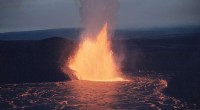
* Natural Hazard Prediction: Rock types influence the occurrence and intensity of natural hazards like landslides, earthquakes, and volcanic eruptions. This knowledge aids in risk assessment and mitigation efforts.
* Soil Formation: Rocks are the parent material of soil. Understanding their properties helps us understand soil composition, fertility, and suitability for various land uses.
2. Engineering and Construction:
* Building Materials: Rocks are used extensively in construction, from foundations to roads and buildings. Knowing their strength, durability, and resistance to weathering is essential for selecting the right materials.
* Infrastructure Development: Rock properties influence the design and construction of dams, tunnels, bridges, and other infrastructure projects. Understanding their characteristics helps engineers ensure stability and longevity.
* Waste Management: Rocks can be used to contain and isolate hazardous waste. Understanding their properties is vital for designing safe and effective waste disposal systems.
3. Environmental Sciences:
* Water Quality: The type of rock in an area influences water quality. Understanding how rocks interact with water helps scientists manage water resources and mitigate pollution.
* Land Use Planning: Rock types influence soil fertility and suitability for different land uses, like agriculture, forestry, and urban development. This knowledge helps guide sustainable land management practices.
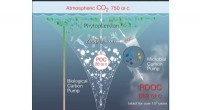
* Climate Change: Rocks play a role in the carbon cycle, influencing the Earth's climate. Understanding their properties helps researchers understand how climate change impacts rock weathering and carbon sequestration.
4. Other Applications:
* Art and Crafts: Rocks are used in various art forms, from sculpture to jewelry. Understanding their properties allows artists to choose the best materials for their creations.
* Agriculture: Rocks can affect soil fertility and drainage. Knowing their properties helps farmers manage their land effectively.
* Education and Recreation: Rocks provide fascinating insights into the natural world. Understanding them can enhance our appreciation for the Earth and its history.
In summary, understanding the qualities of various rock types is essential for comprehending our planet, managing its resources, mitigating hazards, and developing sustainable practices. This knowledge spans numerous disciplines and plays a crucial role in shaping our understanding of the Earth and our place within it.