1. Producers:
* Plants: They form the base of the food chain, converting sunlight into energy through photosynthesis. Examples include trees, grasses, flowers, and algae.
* Algae: These aquatic producers are vital in freshwater and marine ecosystems.
2. Consumers:
* Herbivores: Animals that eat plants, like deer, rabbits, and insects.
* Carnivores: Animals that eat other animals, such as lions, wolves, and hawks.
* Omnivores: Animals that eat both plants and animals, like bears, pigs, and humans.
* Decomposers: Organisms that break down dead organic matter, like bacteria and fungi, returning nutrients to the ecosystem.
3. Interactions:
* Competition: Different species (or individuals within a species) compete for resources like food, water, and shelter.
* Predation: One organism (the predator) hunts and kills another (the prey).
* Parasitism: One organism (the parasite) lives in or on another organism (the host), benefiting at the host's expense.
* Mutualism: A relationship where both organisms benefit, like bees pollinating flowers.
* Commensalism: A relationship where one organism benefits, and the other is neither helped nor harmed, like a bird nesting in a tree.
Examples of biotic factors in a wild habitat:
* A forest: Trees, shrubs, insects, birds, mammals, fungi, bacteria.
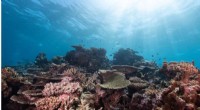
* A coral reef: Corals, fish, sponges, sea turtles, starfish, algae.
* A grassland: Grasses, wildflowers, bison, prairie dogs, snakes, hawks.
Understanding biotic factors is crucial for:
* Ecological studies: To understand how ecosystems function and how changes in one species might affect others.
* Conservation efforts: To protect endangered species and manage habitats.
* Sustainable development: To minimize human impact on natural environments.
By analyzing biotic factors, we gain a deeper understanding of the intricate web of life within a habitat and how it contributes to the balance of the ecosystem.