Coniferous forests, also known as taiga or boreal forests, are characterized by their unique blend of biotic and abiotic factors, creating a distinct ecosystem. Here's a breakdown:
Biotic Factors (Living Organisms):
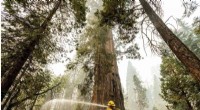
* Dominant Tree Species: Conifers like spruce, fir, pine, and larch dominate the forest, forming dense canopies that create a shaded understory. These trees have adapted to cold climates with needle-like leaves, conical shape, and waxy coatings for water retention.
* Animals: The coniferous forest supports a variety of animals, including:
* Mammals: Moose, elk, deer, bears, wolves, lynx, squirrels, rabbits, and various rodents.
* Birds: Woodpeckers, chickadees, owls, hawks, grouse, and migratory birds.
* Insects: Beetles, moths, ants, and various other insects, which play a crucial role in decomposition and nutrient cycling.
* Reptiles and Amphibians: Limited due to the cold climate, but some species may exist depending on the specific location.
* Fungi and Bacteria: These organisms are essential for decomposing organic matter, releasing nutrients back into the soil, and forming symbiotic relationships with trees.
* Lichens and Mosses: These organisms thrive in the cool, moist conditions and often cover the forest floor and tree trunks.
Abiotic Factors (Non-living Components):
* Climate: Coniferous forests are characterized by:
* Cold temperatures: Long, cold winters and short, cool summers.
* Moderate precipitation: Often with heavy snowfall in winter.
* Low sunlight penetration: Due to the dense canopy, light levels are lower in the understory.
* Soil: The soil in coniferous forests is typically acidic, nutrient-poor, and often thin due to slow decomposition rates.
* Topography: Coniferous forests can occur on various terrains, from flat lowlands to mountainous regions.
* Altitude: Coniferous forests are found at higher altitudes than deciduous forests, with elevation affecting temperature and precipitation.
* Fire: Fire is a natural part of coniferous forest ecosystems, playing a role in regeneration and nutrient cycling.
Interplay of Biotic and Abiotic Factors:
The interactions between these biotic and abiotic factors are crucial for the survival and development of the coniferous forest ecosystem. For instance, the cold climate dictates the species of trees and animals that can thrive. The dense canopy influences light availability, which in turn impacts understory vegetation and animal populations. The acidic soil restricts the growth of certain plant species, while fungi and bacteria contribute to nutrient cycling. Fire plays a significant role in forest regeneration and can influence species composition.
Understanding the intricate interplay of biotic and abiotic factors helps us appreciate the unique characteristics of coniferous forests and the delicate balance that maintains their biodiversity.