Here's why:
* Biodiversity refers to the variety of life in a particular ecosystem.
* High biodiversity means there are many different species of plants, animals, fungi, and microorganisms present.
* Low biodiversity means there are fewer species present.
So, you can't have a place that has the "most biodiversity" where there is "least biodiversity."
It's possible you're thinking about these concepts:
* Places with high biodiversity: Tropical rainforests, coral reefs, and some wetlands are known for their incredible variety of life.
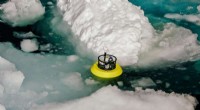
* Places with low biodiversity: Deserts, the Arctic, and some deep-sea environments have fewer species due to harsh conditions.
To rephrase your question, you could ask:
* What are some examples of places with high biodiversity, and what are some examples of places with low biodiversity?
* What factors influence biodiversity levels in different ecosystems?
Let me know if you'd like to explore these questions further!