Ecosystems as Affected by Climate Change:
* Temperature and Precipitation Changes: Increased temperatures and altered precipitation patterns can disrupt ecosystems. This can lead to shifts in plant and animal species distribution, changes in breeding cycles, and increased vulnerability to pests and diseases.
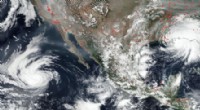
* Extreme Weather Events: More frequent and intense heat waves, droughts, floods, and storms can damage ecosystems, leading to habitat loss, biodiversity decline, and ecosystem collapse.
* Sea Level Rise: Coastal ecosystems are particularly vulnerable to sea level rise. Mangrove forests, coral reefs, and coastal wetlands are being lost or degraded, impacting biodiversity and coastal protection.
* Ocean Acidification: The absorption of carbon dioxide by oceans leads to acidification, harming marine life, especially organisms with calcium carbonate shells like coral and shellfish.
Ecosystems as Drivers of Climate Change:
* Carbon Sequestration: Ecosystems, particularly forests and peatlands, play a crucial role in storing carbon. However, deforestation and land-use change release significant amounts of carbon dioxide into the atmosphere, exacerbating climate change.
* Greenhouse Gas Emissions: Decomposing organic matter in soil and wetlands releases methane, a potent greenhouse gas. Land use practices, like agriculture and deforestation, can increase these emissions.
* Albedo Effect: Ecosystems have varying "albedo," or reflectivity. Darker surfaces like forests absorb more sunlight, contributing to warming, while lighter surfaces like snow and ice reflect more sunlight, cooling the planet. Changes in land cover can impact albedo and thus, climate.
Feedback Loops:
Climate change affects ecosystems, and these changes further impact the climate, creating a feedback loop. For example:
* Permafrost Thaw: Melting permafrost releases methane and carbon dioxide, further accelerating climate change.
* Forest Fires: Droughts and higher temperatures increase the frequency and intensity of forest fires, releasing vast amounts of carbon into the atmosphere.
Consequences of Ecosystem Changes:
* Biodiversity Loss: Climate change threatens countless species with extinction, disrupting ecological balance and impacting ecosystem services.
* Food Security: Changes in agricultural productivity and the availability of fish stocks due to climate change pose a threat to global food security.
* Human Health: Climate change impacts ecosystems that provide clean water, air, and food, leading to increased health risks and diseases.
Actions to Address the Interplay:
* Mitigation: Reducing greenhouse gas emissions through transitioning to renewable energy sources, improving energy efficiency, and promoting sustainable land management practices.
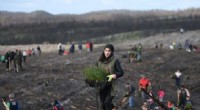
* Adaptation: Helping ecosystems adapt to climate change by protecting natural habitats, restoring degraded ecosystems, and promoting biodiversity conservation.
Understanding the interconnectedness between ecosystems and climate change is crucial for developing effective strategies to address the climate crisis. We must prioritize conservation efforts and sustainable practices to mitigate the effects of climate change and ensure the resilience of our planet's ecosystems.