1. Habitat Loss and Fragmentation:
* Rising temperatures: Shifting climate zones force species to migrate to find suitable environments, leading to habitat loss and fragmentation. For example, rising temperatures in the Arctic are melting sea ice, shrinking the habitat for polar bears.
* Extreme weather events: More frequent and intense storms, droughts, and floods destroy habitats and disrupt ecological processes. This can leave species vulnerable to predation, disease, and competition.
* Sea level rise: Coastal ecosystems like mangroves, coral reefs, and salt marshes are being inundated, shrinking their habitat and impacting the species that depend on them.
2. Species Extinction:
* Altered food webs: Climate change disrupts food webs as species respond differently to shifting conditions. For example, warmer waters can lead to outbreaks of harmful algae, harming fish populations and cascading up the food chain.
* Increased competition and predation: As species are forced to compete for shrinking resources, some become more vulnerable to extinction.
* Disease outbreaks: Warmer temperatures can favour the spread of pathogens and parasites, impacting both wild and domesticated animals.
* Loss of pollinators: Climate change is affecting pollinators like bees and butterflies, which are crucial for plant reproduction and food production.
3. Changes in Distribution and Range:
* Range shifts: Species are moving to cooler areas or higher elevations to find suitable conditions, leading to changes in species distributions and potential conflicts with other species.
* Invading species: Some species may thrive in warmer conditions, expanding their ranges and outcompeting native species.
4. Altered Ecosystems:
* Coral bleaching: Rising ocean temperatures and acidity are causing widespread coral bleaching, damaging vital ecosystems and reducing biodiversity.
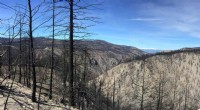
* Forest dieback: Droughts and wildfires are leading to widespread forest dieback, impacting biodiversity and carbon sequestration.
* Ocean acidification: Increased carbon dioxide absorption in the ocean is making it more acidic, harming marine organisms, particularly those with calcium carbonate shells.
5. Impacts on Human Societies:
* Food security: Climate change threatens food production, impacting livelihoods and increasing poverty.
* Water scarcity: Changes in precipitation patterns can lead to droughts and water scarcity, affecting human communities and ecosystems.
* Increased disease risk: Warmer temperatures can lead to the emergence and spread of infectious diseases.
In summary:
Climate change is a major threat to biodiversity, impacting habitats, species, ecosystems, and human societies. Addressing climate change is essential to preserving the natural world and ensuring the well-being of future generations.