Here's a breakdown:
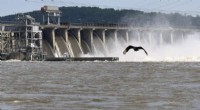
* Infrastructure: Refers to the fundamental physical systems that enable a society or economy to function. This includes things like roads, bridges, power grids, communication networks, water systems, and transportation systems.
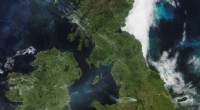
* Climate: The long-term weather patterns of a region, which can influence infrastructure design and operation.
* Natural Resources: Raw materials found in nature that can be used for economic production, such as minerals, water, and forests.
While climate and natural resources are important factors in infrastructure planning (e.g., building flood-resistant structures in areas prone to flooding), they are not considered part of the infrastructure itself.
Think of it this way: you wouldn't say a car is part of a road, even though it relies on the road to function. Similarly, climate and natural resources are important for infrastructure, but they are not part of the infrastructure itself.