Climate:
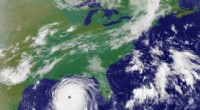
* Definition: Climate refers to the long-term average weather conditions in a particular region. This includes factors like temperature, precipitation, humidity, wind patterns, and sunshine hours.
* Scope: Climate encompasses the entire atmospheric conditions over a large area and across long periods (usually 30 years or more).
* Influence: Climate is the primary driver of what type of vegetation can thrive in a particular area.
Vegetation Zone:
* Definition: A vegetation zone is a large geographic area characterized by a specific type of plant life that is adapted to the prevailing climate conditions.
* Scope: Vegetation zones are defined by the dominant plant species within a region.
* Influence: While climate dictates the vegetation zone, the vegetation itself can also influence the local microclimate. For example, forests can moderate temperatures and increase humidity.
Relationship:
* Climate Determines Vegetation: Climate is the main factor determining which types of plants can survive and flourish in a particular region. For example, a hot and dry climate will support desert vegetation, while a temperate climate will support forests or grasslands.
* Vegetation Reflects Climate: The type of vegetation present in a region acts as an indicator of the local climate. For example, the presence of coniferous forests suggests a cold, snowy climate.
In summary:
* Climate is the overarching weather pattern that determines what plants can grow.
* Vegetation zones are the areas defined by the plant life that thrives in a given climate.
Example:
The tundra is a vegetation zone characterized by low-lying, cold-tolerant plants like mosses, lichens, and dwarf shrubs. This vegetation zone is shaped by the arctic climate which features extremely cold temperatures, low precipitation, and long periods of darkness during winter.