For physical danger:
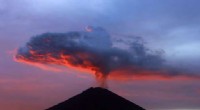
* Volcanoes: Active volcanoes can erupt with devastating force, releasing lava flows, ash clouds, and toxic gases.
* Mountains: High altitudes pose risks like altitude sickness, extreme weather, and treacherous terrain.
* Oceans: Strong currents, riptides, and large waves can be deadly. Sharks and other marine predators also pose a threat.
* Jungles: Dense jungles can be difficult to navigate, with poisonous plants, venomous animals, and dangerous wildlife.
* Deserts: Extreme heat, dehydration, and sandstorms can be fatal in deserts.
For environmental danger:
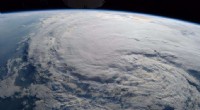
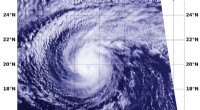
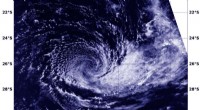
* Areas with natural disasters: Places prone to hurricanes, earthquakes, tsunamis, wildfires, or floods are inherently dangerous.
* Areas with high levels of pollution: Places with contaminated air, water, or soil can pose health risks.
For a more specific answer, you might want to consider:
* What kind of danger are you interested in? Physical, environmental, or something else?
* What is your definition of "natural"? Does it include places created by natural processes but altered by human activity?
* Where are you interested in? A specific region, a certain type of landscape, or a particular place?
Once you have a better idea of what you're looking for, I can help you narrow down the possibilities.