Here are some key aspects of conservation of nature:
Protection:
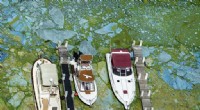
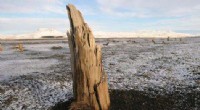
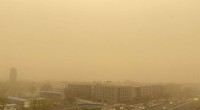
* Safeguarding ecosystems from human activities that cause harm, such as deforestation, pollution, and habitat destruction.
* Establishing protected areas like national parks, wildlife sanctuaries, and nature reserves.
* Implementing laws and regulations to control resource extraction and development activities.
Preservation:
* Maintaining natural areas in their pristine state, minimizing human interference.
* Protecting endangered species and their habitats.
* Restoring degraded ecosystems to their original condition.
Management:
* Managing resources sustainably to ensure their continued availability for future generations.
* Promoting sustainable agriculture, forestry, and fishing practices.
* Controlling invasive species and preventing their spread.
Restoration:
* Reversing damage caused by human activities to ecosystems.
* Reintroducing species to areas where they have been lost.
* Cleaning up polluted areas and restoring their natural functions.
Why is conservation of nature important?
* Biodiversity: Nature provides us with a vast array of species that contribute to the balance of ecosystems. Conservation helps protect this biodiversity, ensuring the survival of countless plants, animals, and microorganisms.
* Ecosystem Services: Nature provides essential services like clean air and water, pollination, climate regulation, and food production. Conservation ensures the continuation of these services, which are crucial for human well-being.
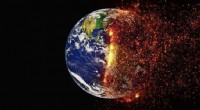
* Climate Change: Natural ecosystems play a vital role in mitigating climate change by absorbing carbon dioxide from the atmosphere. Conservation helps maintain these carbon sinks and protect us from the effects of global warming.
* Human Health: Nature offers numerous benefits for human health, including mental well-being, reduced stress, and improved physical health. Conservation preserves these benefits for present and future generations.
Conservation of nature is a crucial responsibility for everyone. By understanding the importance of protecting our natural world, we can all contribute to creating a sustainable future for ourselves and generations to come.