* Ecologist: Studies the interactions between organisms and their environment. They might focus on specific populations, ecosystems, or the overall health of the preserve.
* Wildlife Biologist: Studies wildlife populations, their habitats, and management strategies. They may focus on conservation, monitoring, or research.
* Botanist: Studies plants, including their distribution, ecology, and conservation.
* Entomologist: Studies insects, which are often important components of forest ecosystems.
* Forestry Scientist: Studies the management and utilization of forests, including sustainable harvesting, reforestation, and biodiversity conservation.
* Conservation Biologist: Studies the threats to biodiversity and develops strategies for conservation.
The scientist's title might also include a specialization, such as "avian ecologist," "mammal biologist," or "aquatic ecologist," depending on their specific research area.
In addition to these traditional scientific roles, there are also professionals who work in nature preserves and state forests who may not have a formal scientific background but contribute significantly to conservation efforts:
* Park Ranger: Enforces rules, educates visitors, and manages park resources.
* Environmental Educator: Develops and delivers programs to educate the public about conservation and nature.
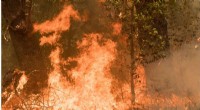
* Land Manager: Oversees the management of the preserve, including habitat restoration, fire management, and invasive species control.
Ultimately, the title of a scientist studying nature preserves or state forests depends on their specific area of expertise and the type of work they do.