1. Loss of Biodiversity:
* Habitat destruction: Forests are home to a vast array of plant and animal species. Clearing them eliminates their homes, leading to population decline and even extinction.
* Disruption of food webs: The removal of trees affects the entire ecosystem. Insects, birds, mammals, and other organisms that depend on the forest for food and shelter are negatively impacted.
2. Climate Change:
* Carbon sink depletion: Trees absorb carbon dioxide (CO2) from the atmosphere, acting as a carbon sink. Deforestation releases this stored carbon back into the atmosphere, contributing to global warming.
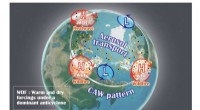
* Altered rainfall patterns: Forests influence rainfall patterns by releasing moisture through transpiration. Deforestation leads to drier climates and increased risk of droughts.
3. Soil Degradation:
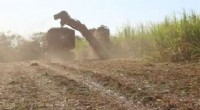
* Erosion: Tree roots hold soil together. Deforestation exposes the soil to wind and rain, leading to erosion and nutrient loss.
* Reduced fertility: Forests contribute to soil fertility through leaf litter decomposition. Deforestation diminishes this process, making the land less productive.
4. Water Cycle Disruptions:
* Reduced water infiltration: Forest canopies intercept rainfall, allowing for gradual infiltration into the ground. Deforestation leads to increased surface runoff and reduced groundwater recharge.
* Increased flooding: Without the buffering effect of forests, floodwaters can rise more quickly and cause greater damage.
5. Impacts on Indigenous Communities:
* Loss of livelihoods: Many indigenous communities rely on forests for food, medicine, and other resources. Deforestation disrupts their traditional way of life.
* Forced displacement: Clearing land for agriculture or other purposes often displaces indigenous populations, causing social and cultural disruption.
6. Other Impacts:
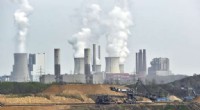
* Increased air pollution: Burning forests releases harmful pollutants into the air, negatively impacting air quality.
* Loss of medicinal plants: Forests are rich sources of medicinal plants. Deforestation reduces access to these valuable resources.
* Aesthetic and cultural value loss: Forests provide beauty and cultural significance. Deforestation diminishes these intangible values.
Solutions:
* Sustainable forest management: Implementing practices that balance forest use with conservation.
* Reforestation and afforestation: Planting new trees to restore degraded forests.
* Protecting remaining forests: Establishing national parks and other protected areas.
* Supporting sustainable agriculture: Promoting farming practices that minimize deforestation.
* Raising awareness: Educating the public about the importance of forests and the consequences of deforestation.
By recognizing the interconnectedness of ecosystems and the consequences of deforestation, we can work towards responsible land management practices that ensure the health and sustainability of our forests for generations to come.