Here's a breakdown:
Natural Elements:
* Landforms: Mountains, valleys, hills, plains, plateaus, deserts, etc.
* Water: Rivers, lakes, oceans, seas, waterfalls, etc.
* Vegetation: Forests, grasslands, wetlands, meadows, etc.
* Climate: Weather patterns, temperature, rainfall, etc.
Man-made Elements:
* Buildings: Homes, factories, monuments, etc.
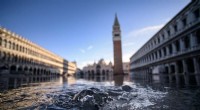
* Roads and infrastructure: Highways, bridges, railways, etc.
* Agriculture: Farms, vineyards, orchards, etc.
* Urban development: Cities, towns, suburbs, etc.
Aesthetic Appeal:
* Beauty: The pleasing arrangement of elements, colors, shapes, and textures.
* Harmony: The balance and unity of elements.
* Variety: The diversity of features that create visual interest.
* Scale and perspective: The relationship between elements and the observer.
Examples of Landscape Descriptions:
* "A rolling landscape of green hills dotted with white farmhouses."
* "A dramatic landscape of jagged mountains rising above a deep blue lake."
* "A bustling urban landscape of towering skyscrapers and busy streets."
* "A tranquil landscape of quiet meadows and whispering trees."
In essence, a landscape is a holistic view of an area, taking into account its physical features, cultural influences, and aesthetic qualities. It's a complex and ever-changing tapestry that captivates the human senses and inspires awe and wonder.