Habitat:
* The physical environment: A habitat is the place where an organism lives. It's the specific area with the conditions necessary for the organism to survive. This includes factors like temperature, light, moisture, soil type, and availability of shelter.
* Focuses on location: A habitat is about where an organism is found.
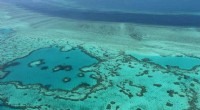
* Examples: A tropical rainforest, a coral reef, a desert, a pond.
Niche:
* The organism's role: A niche is the organism's role or function within its habitat. It encompasses how the organism interacts with the environment and other organisms.
* Focuses on behavior and interactions: A niche considers what an organism eats, how it reproduces, how it interacts with predators and competitors, and its overall impact on the ecosystem.
* Examples: A hummingbird pollinating flowers, a wolf hunting deer, a bacteria decomposing dead matter.
Analogy:
Think of it like this:
* Habitat: The house where you live.
* Niche: Your job and your responsibilities within your family.
Key points:
* Multiple organisms can share the same habitat: Many species can live in the same forest, for instance.
* Each organism has a unique niche: No two species have exactly the same niche, even if they share the same habitat.
* Niche overlap: There can be some overlap in niches, leading to competition for resources.
In summary: A habitat is the physical address, and a niche is the organism's occupation and lifestyle within that address.