1. Location on the Pacific Ring of Fire:
* New Zealand sits on the boundary of the Pacific and Australian tectonic plates. This boundary is known as the Pacific Ring of Fire, a zone of intense volcanic and seismic activity.
2. Plate Movement:
* The Pacific Plate is moving westward and subducting (sliding) under the Australian Plate. This subduction process generates enormous heat and pressure.
3. Volcanic Activity:
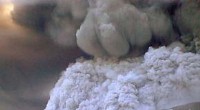
* The intense heat from the subducting plate melts the surrounding rock, creating magma. This magma rises to the surface, causing volcanic eruptions.
* New Zealand has numerous active volcanoes, including Mt. Ruapehu, Mt. Tongariro, and Mt. Taranaki. These volcanoes have shaped the landscape with dramatic peaks, craters, and lava flows.
4. Earthquakes:
* The movement of the tectonic plates also causes earthquakes.
* New Zealand experiences frequent earthquakes, some of which are powerful and destructive. These earthquakes cause faults, landslides, and uplift, further shaping the landscape.
5. Fault Lines:
* The boundaries between the tectonic plates create fault lines, where the earth's crust has fractured.
* These fault lines can be seen in the dramatic landscapes of the Southern Alps, which were formed by the Alpine Fault.
6. Erosion:
* The combination of volcanic activity, earthquakes, and heavy rainfall creates a landscape susceptible to erosion.
* Rivers carve deep valleys, glaciers sculpt mountains, and the wind erodes exposed rock, contributing to the distinctive, ever-changing landscape.
7. Geothermal Activity:
* The heat from the subducting plate also creates geothermal areas, where hot springs, geysers, and mud pools can be found.
* These areas contribute to the unique beauty and natural resources of New Zealand.
In conclusion, New Zealand's active landscape is a product of its position on the Pacific Ring of Fire, the constant movement of tectonic plates, volcanic activity, earthquakes, fault lines, and ongoing erosion. This dynamic process results in a constantly evolving landscape that is both stunning and potentially hazardous.