1. Volcanic Outgassing:
* Early Earth was a very hot, volatile place.
* As the planet cooled, volcanoes erupted, releasing vast amounts of water vapor into the atmosphere.
* This water vapor eventually condensed and rained down, forming the first oceans.
2. Comets and Asteroids:
* Comets are made up of ice, dust, and rock.
* When comets collided with Earth, they brought significant amounts of water to the planet.
* Some scientists believe that a significant portion of Earth's water originated from these icy celestial bodies.
3. The Mantle:
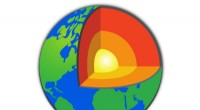
* The Earth's mantle is a layer of hot rock that lies beneath the crust.
* It is believed that the mantle contains significant amounts of water locked up within its minerals.
* This water can be released through volcanic activity, contributing to the oceans over time.
4. Ongoing Processes:
* The water cycle continues to replenish our oceans.
* Evaporation from the oceans, lakes, and rivers, followed by precipitation, constantly adds water back into the system.
It's important to note that:
* The exact proportions of water from each source are still debated by scientists.
* It's likely that a combination of these processes contributed to the formation of the Earth's oceans.
While the origins of ocean water are complex, it's clear that it's a vital component of our planet and plays a crucial role in supporting life as we know it.