Natural Sources:
* Soil erosion: Wind erodes soil, lifting dust into the air.
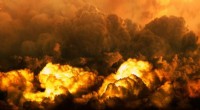
* Volcanic eruptions: Volcanic ash and dust are ejected into the atmosphere.
* Sea spray: Salt crystals from ocean waves are blown into the air.
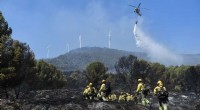
* Wildfires: Burning vegetation releases smoke and ash.
* Biological sources: Pollen, spores, and fungal fragments.
* Meteoroids: Tiny particles from space burn up in the atmosphere, creating dust.
Anthropogenic Sources:
* Industrial activities: Emissions from factories and power plants.
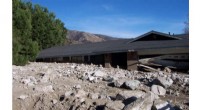
* Construction: Dust generated from demolition and building activities.
* Agriculture: Dust from tilling fields and transporting crops.
* Transportation: Dust from vehicle exhaust and tire wear.
Impacts of Dust:
* Climate: Dust particles can absorb and reflect sunlight, affecting global temperatures and weather patterns.
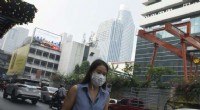
* Human health: Fine dust particles can penetrate deep into the lungs, causing respiratory problems.
* Visibility: Dust reduces visibility, affecting transportation and aviation.
* Plant life: Dust can cover plants, blocking sunlight and interfering with photosynthesis.
* Water quality: Dust can contaminate water sources, affecting drinking water and aquatic life.
Dust Composition:
* Minerals: Quartz, feldspar, clay minerals, and other rock fragments.
* Organic matter: Plant debris, pollen, and fungal spores.
* Metals: Iron, aluminum, and other heavy metals.
* Chemicals: Pesticides, herbicides, and industrial pollutants.
Distribution:
Dust is found everywhere in the atmosphere, but its concentration varies depending on location, season, and weather conditions. Deserts, agricultural areas, and industrial regions tend to have higher dust concentrations.
Measurement:
Dust concentration is measured using instruments such as air samplers, optical particle counters, and laser-based detectors.