Agriculture:
* Tilling: The process of turning over soil exposes it to wind and water, making it vulnerable to erosion.
* Monoculture: Planting a single crop repeatedly depletes soil nutrients and reduces its ability to hold water, making it more susceptible to erosion.
* Overgrazing: Too many animals grazing in one area can strip the land of vegetation, leaving it bare and prone to erosion.
* Deforestation: Removing trees eliminates the root system that binds soil together, leaving it exposed to erosion.
* Lack of Crop Rotation: Rotating crops helps maintain soil health and structure, but failing to do so can lead to nutrient depletion and erosion.
Construction and Development:
* Construction Sites: Clearing land for buildings and infrastructure exposes the soil to erosion, especially during periods of heavy rain.
* Roads and Highways: The construction of roads disrupts natural drainage patterns, leading to increased runoff and soil erosion.
* Urbanization: Development in urban areas often involves the removal of vegetation, reducing the soil's ability to absorb rainfall and leading to increased runoff.
Other Human Activities:
* Mining: Surface mining operations remove topsoil and expose underlying layers, making them vulnerable to erosion.
* Logging: Clear-cutting forests exposes the soil to erosion, especially in areas with steep slopes.
* Off-Road Vehicle Use: Driving off-road can compact soil, reduce vegetation cover, and increase erosion.
* Improper Irrigation: Excessive irrigation can lead to waterlogging, salinization, and soil erosion.
Consequences of Soil Erosion:
Soil erosion has severe consequences, impacting not just agricultural production but also:
* Reduced Crop Yields: Loss of topsoil reduces the soil's fertility, leading to lower crop yields.
* Water Pollution: Eroded soil particles carried into waterways cause sedimentation, harming aquatic life.
* Loss of Biodiversity: Soil erosion can destroy habitats and reduce biodiversity.
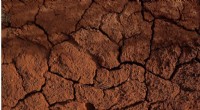
* Desertification: Severe erosion can lead to the formation of deserts, impacting ecosystems and livelihoods.
Sustainable Practices:
Fortunately, there are many sustainable practices that can help prevent soil erosion and protect our land:
* No-Till Farming: This method reduces soil disturbance and promotes soil health.
* Cover Cropping: Planting non-cash crops between cash crops helps prevent soil erosion.
* Contour Farming: Planting crops along the contours of the land helps slow down water runoff.
* Terracing: Creating steps on slopes helps prevent erosion by slowing down water flow.
* Windbreaks: Planting trees or shrubs to break the wind can reduce wind erosion.
* Responsible Land Management: Adopting sustainable practices in construction, mining, and other industries can minimize soil erosion.
By understanding the causes and consequences of soil erosion, we can take steps to protect our precious soil resource and ensure its sustainable use for generations to come.