Observational tools:
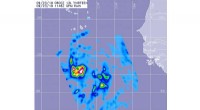
* Doppler radar: This is the most important tool for studying tornadoes. It can detect the rotation of the wind within a thunderstorm, allowing scientists to track the development and movement of tornadoes.
* Weather balloons: These balloons carry instruments that measure atmospheric conditions like temperature, pressure, and humidity. This data helps scientists understand the conditions that favor tornado formation.
* Ground-based weather stations: These stations provide data on wind speed, direction, temperature, and precipitation, which can help scientists understand the environment in which tornadoes occur.
* Mobile radar: This type of radar can be deployed to gather data from locations not covered by traditional radar networks, allowing scientists to get a closer look at tornadoes.
* Cameras: Video cameras can be used to document tornado activity, providing valuable information about their behavior and damage.
Computational tools:
* Numerical weather models: These models use mathematical equations to simulate atmospheric conditions and predict the formation of tornadoes.
* Computer simulations: Scientists can use computer models to simulate the dynamics of tornadoes, allowing them to study the factors that influence their formation and behavior.
Other methods:
* Field studies: Scientists often conduct field studies during tornado outbreaks, gathering data from the ground and observing the effects of tornadoes firsthand.
* Laboratory experiments: Scientists can use laboratory experiments to study the physics of tornadoes in a controlled environment.
* Remote sensing: Scientists use satellites and other remote sensing technologies to monitor weather patterns and identify potential tornado threats.
By using a combination of these tools and methods, scientists are constantly working to improve our understanding of tornadoes, leading to better warnings and potentially, mitigation strategies to reduce their impact.