Respiration:
* All living organisms, including plants, animals, fungi, and bacteria, respire.
* Respiration is the process of breaking down food (sugars) in the presence of oxygen to release energy for cellular processes.
* This process releases carbon dioxide (CO2) as a byproduct, which is then released into the atmosphere.
Decomposition:
* When organisms die, they decompose. This process is carried out by decomposers, primarily bacteria and fungi.
* Decomposers break down organic matter (dead plants and animals) into simpler substances. This breakdown also releases CO2 as a byproduct.
Other ways carbon is returned to the atmosphere:
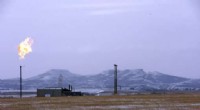
* Burning fossil fuels: Fossil fuels like coal, oil, and natural gas are formed from the remains of ancient organisms. Burning these fuels releases large amounts of CO2 into the atmosphere.
* Volcanic eruptions: Volcanoes release CO2 from the Earth's interior into the atmosphere.
The carbon cycle:
These processes are part of the carbon cycle, a continuous exchange of carbon between the atmosphere, living organisms, and the Earth's crust. This cycle is essential for maintaining life on Earth, but human activities, like burning fossil fuels, are disrupting the balance of this cycle, leading to increased CO2 levels in the atmosphere and contributing to climate change.