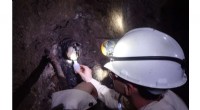
1. Geology: The study of the Earth's solid, non-living components, including rocks, minerals, and landforms.
2. Oceanography: The study of the oceans, including their physical properties, chemical composition, marine life, and interactions with the atmosphere and solid Earth.
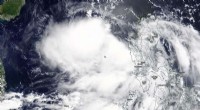
3. Meteorology: The study of the Earth's atmosphere, including weather patterns, climate, and atmospheric phenomena.
4. Astronomy: The study of celestial objects and phenomena outside the Earth's atmosphere, including stars, planets, galaxies, and the universe as a whole.
5. Environmental Science: The study of the interactions between living organisms and their physical environment, including the impact of human activities on the Earth's systems.
It's important to note that these branches are interconnected and often overlap, and there are many sub-disciplines within each.