1. Nature as a source of wisdom: This perspective emphasizes the vast knowledge and wisdom inherent in the natural world. It suggests that by observing and understanding natural processes, we can gain valuable insights that are relevant to our lives and problems.
2. The balance and interconnectedness of nature: This aspect focuses on the delicate equilibrium that exists within ecosystems and the interconnectedness of all living things. It cautions against disrupting this balance, as it could have unforeseen and potentially disastrous consequences.
3. The inherent value of nature: This view asserts that nature has intrinsic worth, independent of its usefulness to humans. It argues that we should respect and protect the natural world for its own sake, not just for our own benefit.
4. The limitations of human intervention: This interpretation suggests that human attempts to manipulate or control nature often have unintended and negative consequences. It encourages a more humble and respectful approach, acknowledging the limitations of human understanding and the power of natural processes.
Examples of "nature knows best" in action:
* Biomimicry: Scientists and engineers are increasingly looking to nature for inspiration in designing new technologies and solutions.
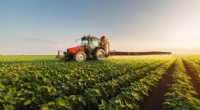
* Sustainable agriculture: By mimicking natural processes, farmers can create more resilient and productive systems that rely on less chemical inputs and external resources.
* Conservation efforts: Recognizing the importance of biodiversity and ecosystem health, we are working to protect endangered species and habitats.
However, the phrase "nature knows best" is not without its limitations:
* It can be interpreted as a justification for inaction or an acceptance of the status quo.
* It can be used to oppose human progress or innovation without considering the potential benefits.
* It can be misinterpreted as a belief in a perfect, unchanging nature, ignoring the constant evolution and adaptation of the natural world.
Ultimately, the meaning of "nature knows best" depends on how it is interpreted and applied. While it can serve as a valuable reminder of the wisdom and power of the natural world, it's important to engage with it critically and avoid simplistic or dogmatic interpretations.