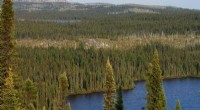
What a plain IS:
* Flat or gently rolling terrain: Plains are known for their lack of significant elevation changes.
* No trees or few trees: Plains are typically treeless or have only scattered trees.
* Wide open spaces: Plains offer expansive, uninterrupted views.
What a plain IS NOT ALWAYS:
* Just grass: While grass is common, plains can have other types of vegetation depending on the climate.
* Grasslands: These plains are dominated by grasses and have few trees.
* Steppe: Similar to grasslands but with less moisture and shorter grasses.
* Savannas: These plains have scattered trees alongside grasses.
* Deserts: Some plains are arid with very little vegetation.
Other key features of plains:
* Location: Plains can be found in various parts of the world, including the Great Plains of North America, the Pampas of South America, and the Steppes of Asia.
* Importance: Plains are often important for agriculture and grazing. They also play a role in supporting various ecosystems.
So, while a plain can be a big field of grass, it's not always so simple. It's a broad term encompassing diverse landscapes with different types of vegetation and features.