Cold winters and short, cool summers:
* Long, cold winters: Typically lasting 6 to 8 months, with average temperatures well below freezing.
* Short, cool summers: Lasting only a few months, with average temperatures ranging from 3 to 15 degrees Celsius (37 to 59 degrees Fahrenheit).
* Freezing temperatures: Even during the summer, freezing temperatures can occur, especially at night.
* Snowfall: Heavier snowfall occurs in the winter, accumulating deep layers that remain on the ground for much of the year.
Low precipitation, but high humidity:
* Limited rainfall: Annual precipitation is typically between 300 and 600 millimeters (12 and 24 inches), which is relatively low for a forest biome.
* High humidity: Despite the low precipitation, the cool temperatures result in high humidity levels, especially during the summer months.
Other key characteristics:
* Seasonal variation: The Boreal Forest experiences dramatic changes in weather and daylight hours throughout the year.
* Permafrost: In some areas, particularly in the northernmost regions, permafrost (permanently frozen ground) can be found.
* Wind: Strong winds are common, particularly during the winter months.
Impact on vegetation:
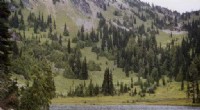
The cold climate and limited precipitation have a significant impact on the vegetation of the Boreal Forest. Coniferous trees, such as spruce, fir, and pine, are well-adapted to these conditions. They have needle-like leaves that can withstand cold temperatures and conserve water. Deciduous trees are less common and are typically found in more southerly areas of the Boreal Forest.
Overall, the climate of the Boreal Forest is harsh and cold, with long winters, short summers, and limited precipitation. This unique climate has shaped the vegetation and wildlife of this vast biome.