However, there are fundamental differences between algae and ferns that explain their respective adaptations:
Algae:
* Lack of vascular tissue: Algae lack specialized tissues like xylem and phloem for transporting water and nutrients. This makes them highly dependent on water for absorbing nutrients and staying hydrated.
* Limited structural support: They lack a rigid structure, relying on the buoyancy of water for support.
* Reproduction: Algae primarily reproduce through spores that need a moist environment to travel and germinate.
* Photosynthesis: While algae can photosynthesize, they lack the complex structures like leaves found in ferns that allow for efficient light absorption and gas exchange.
Ferns:
* Vascular tissue: Ferns have developed xylem and phloem, allowing them to transport water and nutrients efficiently, even when the environment is dry.
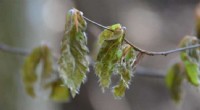
* Structural support: Their leaves have strong veins and a rigid structure that allows them to stand upright on land.
* Reproduction: While ferns still reproduce through spores, they have evolved sporangia (spore-producing structures) that can release spores further and more effectively.
* Photosynthesis: Ferns have specialized leaves (fronds) that maximize light absorption and gas exchange, making them more efficient at photosynthesis on land.
In essence, ferns have evolved a set of adaptations that allow them to thrive on land, while algae, lacking these adaptations, are better suited to aquatic environments.
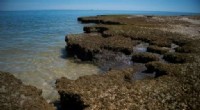
However, it's important to remember that some algae species have adapted to survive in terrestrial environments, demonstrating their ability to adapt to different niches.