Transportation:
* Navigation: Tides can significantly alter water depths and create strong currents, making navigation challenging, especially in narrow channels and harbors. Mariners need to carefully consider tidal charts and predictions to ensure safe passage.
* Ferry services: Ferry schedules are often adjusted based on tidal conditions, as low tides can limit access to certain ports and make it difficult for ferries to navigate shallow waters.
* Shipping: Large ships rely on deeper waters at high tide to navigate ports and canals. Low tides can restrict vessel movement and require adjustments to cargo loading and unloading operations.
Recreation:
* Boating and kayaking: Tides influence water levels and currents, making them crucial factors for boating and kayaking. High tides offer access to wider areas, while low tides can reveal hidden shores and shallows.
* Fishing: Fish species often congregate in areas influenced by tides, making tidal patterns essential for anglers. Low tides can expose underwater reefs and mudflats, while high tides create currents that bring fish to the surface.
* Surfing: Tides influence the size and quality of waves, with higher tides typically creating larger waves. Different surf breaks are best at different tidal stages.
* Beachcombing: Low tides expose vast stretches of beach, allowing for exploration of tide pools, discovery of shells, and beachcombing for treasures.
Fishing and Aquaculture:
* Fishing: Tides influence the movement of fish, plankton, and other marine life, making them vital for successful fishing operations.
* Aquaculture: Tidal patterns are essential for managing aquaculture farms, ensuring adequate water circulation and preventing sedimentation.
Coastal Development:
* Coastal erosion: Tides contribute to coastal erosion by constantly moving sediment and eroding shorelines.
* Flood risk: High tides can exacerbate flooding in low-lying coastal areas, particularly during storm surges.
* Coastal engineering: Understanding tidal patterns is crucial for designing and building coastal infrastructure, such as seawalls, breakwaters, and marinas.
Other Activities:
* Tourism: Tide pools, mudflats, and other coastal features exposed at low tide are popular tourist attractions.
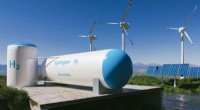
* Power generation: Tidal power plants harness the energy of tides to generate electricity.
* Scientific research: Tides are an essential factor in understanding oceanographic processes and marine ecosystems.
In summary, tides play a significant role in shaping our relationship with the ocean. Understanding tidal patterns is crucial for various activities, from safe navigation to successful fishing and the development of coastal communities.