1. The size of the object:
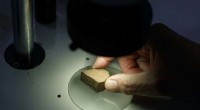
* Small objects: Begin with the low-power objective (usually 4x or 10x). This provides a wider field of view and helps you locate the object.
* Large objects: You might be able to start with a higher power objective, depending on its size and your microscope's capabilities.
2. The level of detail needed:
* Initial exploration: Start with a low-power objective to get an overall view of the object.
* Detailed observation: Switch to higher power objectives (40x or 100x) to examine specific features.
3. The type of microscope:
* Compound microscope: Typically starts with the low-power objective and moves up to higher magnification.
* Stereoscopic microscope: Often uses a fixed magnification or a zoom range, so the starting objective might not be adjustable.
General Approach:
1. Low-power objective: Begin with the lowest power objective to find and center the object.
2. Focus: Adjust the fine focus knob to bring the object into sharp focus.
3. Higher magnification: If needed, switch to a higher power objective and refocus.
Remember:
* Always start with the objective lens at the lowest setting to prevent damaging the lens or the slide.
* It's important to use proper lighting and stage positioning for clear viewing.
* Practice and experimentation will help you determine the best objective to use for different objects and applications.