* Physical Change: A physical change alters the form or appearance of a substance but doesn't change its chemical composition. Examples include changes in state (solid, liquid, gas), shape, or size.
* Chemical Change: A chemical change results in the formation of new substances with different chemical properties.
Let's analyze each option:
* A. A bird digests a worm: This involves chemical changes as the bird's digestive enzymes break down the worm's complex molecules into simpler ones.
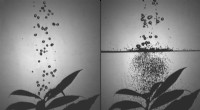
* B. Photosynthesis occurs in a leaf: This is a chemical change where sunlight, carbon dioxide, and water are used to create glucose (sugar) and oxygen.
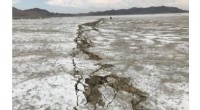
* C. An earthquake causes a rockslide: The earthquake simply breaks the rocks into smaller pieces. There's no change in the chemical composition of the rocks.
* D. A chunk of iron ore rusts: Rusting is a chemical change where iron reacts with oxygen and water to form iron oxide (rust), a new substance.
Therefore, only the rockslide involves a purely physical change.