1. Terrestrial Ecosystems: These ecosystems are found on land and are further divided into:
* Forests: Densely populated with trees and characterized by high biodiversity. Examples include tropical rainforests, temperate deciduous forests, and boreal forests.
* Grasslands: Dominated by grasses and characterized by low rainfall. Examples include prairies, savannas, and steppes.
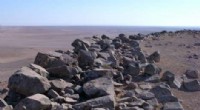
* Deserts: Dry and arid ecosystems with low plant and animal diversity. Examples include the Sahara Desert and the Atacama Desert.
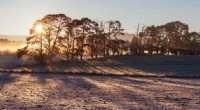
* Tundra: Cold and treeless ecosystems with a short growing season. Examples include the Arctic tundra and the alpine tundra.
2. Aquatic Ecosystems: These ecosystems are found in water and are further divided into:
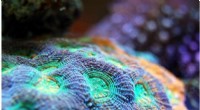
* Marine Ecosystems: Found in salt water, including oceans, seas, and coral reefs.
* Freshwater Ecosystems: Found in freshwater, including lakes, rivers, streams, and wetlands.
3. Coastal Ecosystems: Found in the transition zone between land and water, including:
* Mangrove Forests: Salt-tolerant forests found in tropical and subtropical regions.
* Estuaries: Where freshwater rivers meet saltwater oceans.
* Beaches: Sandy shores along the coast.
4. Polar Ecosystems: Found in the Arctic and Antarctic regions, characterized by extremely cold temperatures and long periods of darkness. Examples include polar ice caps, ice shelves, and the open ocean surrounding these areas.
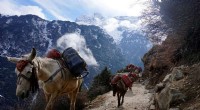
5. Mountain Ecosystems: Found in high altitudes, with varying climates and vegetation depending on elevation.
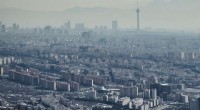
6. Human-Modified Ecosystems: These ecosystems are heavily impacted by human activities and include urban areas, agricultural lands, and managed forests.
It's important to note that these are broad categories, and within each category, there is significant diversity and variation. Ecosystems are complex and interconnected, and their classification can be subjective and depend on the specific criteria used.