Here's a breakdown:
* Ecosystems are interconnected systems of living organisms and their physical environment. They include everything from the soil and water to the plants and animals that live there.
* Each ecosystem has its own unique set of environmental conditions. These conditions can include things like climate, temperature, rainfall, sunlight, and soil type.
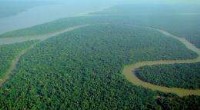
* Plants and animals have evolved to adapt to specific environmental conditions. This means that the plants and animals found in a particular ecosystem are well-suited to the conditions that exist there. For example, a desert ecosystem will have plants that can survive with very little water, while a rainforest ecosystem will have plants that need a lot of moisture.
* The specific combination of plants and animals in an ecosystem creates a unique web of life. This web of life is based on relationships like predator-prey, competition for resources, and symbiotic relationships.
Therefore, the specific types of plants and animals that make up an ecosystem are a direct result of the unique environmental conditions that exist there. This relationship is why a desert ecosystem will have cacti and scorpions, while a rainforest ecosystem will have lush trees and monkeys.