Terrestrial Environments:
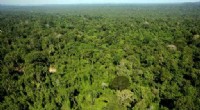
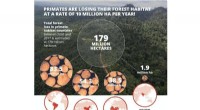
* Forests: A vast array of trees, from towering redwoods to dense rainforests, provide habitats for numerous species.
* Grasslands: Open areas dominated by grasses, supporting a wide variety of herbivores and carnivores.
* Deserts: Arid regions with extreme temperatures and limited water, home to specialized organisms adapted to survive harsh conditions.
* Tundra: Cold and treeless landscapes found in the Arctic and high altitudes, supporting a unique community of plants and animals.
* Mountains: Rugged terrain with varying altitudes and climates, supporting a diverse range of life.
Aquatic Environments:
* Oceans: The largest and most diverse aquatic environments, covering 71% of the Earth's surface, supporting countless species.
* Lakes and Ponds: Smaller inland bodies of water, ranging from freshwater to brackish, providing habitats for fish, amphibians, and other aquatic life.
* Rivers and Streams: Flowing water systems, providing diverse habitats for fish, insects, and other aquatic organisms.
Other Environments:
* Caves: Dark, underground environments inhabited by specialized organisms adapted to life without sunlight.
* Hot Springs: Geothermal features with extremely high temperatures, supporting unique microorganisms.
* Ice Caps and Glaciers: Cold, frozen environments, supporting specialized organisms like tardigrades and lichens.
Within these environments, living things can also occupy specific habitats:
* Canopy: The upper layer of a forest, home to birds, insects, and other arboreal creatures.
* Understory: The area beneath the canopy, where shrubs and smaller trees thrive.
* Forest floor: The ground level of a forest, where decomposers and soil-dwelling organisms live.
* Coral reefs: Diverse underwater ecosystems built by corals, providing habitat for a vast array of marine life.
* Intertidal zone: The area of coastline between high and low tides, supporting a variety of organisms adapted to fluctuating water levels.
It's important to remember that the boundaries between these environments are not always clear-cut. There is often overlap and interconnectedness. Ultimately, the ability of living things to dwell in a particular environment depends on factors like temperature, availability of water, nutrients, and the presence of other organisms.