1. High Consumption: The UAE has a very high per capita consumption of resources, fueled by its wealthy population and a lifestyle driven by high levels of energy use, material consumption, and travel.
2. Extensive Resource Extraction: The UAE is a major oil and gas producer, and its energy sector contributes significantly to its footprint. The country also relies on imports for a large portion of its food and other resources, which often have high ecological footprints associated with their production and transportation.
3. Rapid Development and Urbanization: The UAE has experienced rapid economic growth and urbanization in recent decades, leading to increased demand for infrastructure, housing, and transportation, all of which contribute to resource consumption and emissions.
4. Water Scarcity: The UAE is a desert country with limited water resources, requiring significant energy and resources for desalination and water management. This contributes to the country's water footprint.
5. High Carbon Emissions: The UAE's reliance on fossil fuels for energy generation results in significant carbon emissions, contributing to its carbon footprint.
6. Limited Land Area and Biodiversity: The UAE has a small land area and limited biodiversity, making it particularly vulnerable to environmental impacts.
7. Limited Renewable Energy: While the UAE is investing in renewable energy, it still relies heavily on fossil fuels, which contributes to its high ecological footprint.
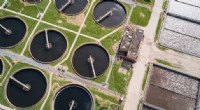
8. Lack of Waste Management: Despite efforts to improve waste management, the UAE still generates a significant amount of waste, which can have negative environmental consequences.
It's important to note that while the UAE has a high ecological footprint, it is taking steps to address its environmental challenges. These include investing in renewable energy, promoting energy efficiency, and implementing waste management initiatives. However, significant challenges remain in achieving sustainable development and reducing its ecological footprint.