Producers:
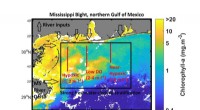
* Phytoplankton: Microscopic algae that form the base of the food chain. They use sunlight to produce their own food through photosynthesis.
* Seaweed: Large algae that grow attached to rocks or other surfaces. They provide food and shelter for many creatures.
* Seagrasses: Flowering plants that grow in shallow, sandy areas. They provide important habitats for fish and other animals.
Consumers:
* Zooplankton: Tiny animals that drift in the water. They feed on phytoplankton and other zooplankton.
* Fish: A vast array of species, from tiny krill to giant whales. They feed on zooplankton, other fish, and even marine mammals.
* Marine Mammals: These include whales, dolphins, seals, sea lions, and sea otters. They are adapted to life in the ocean and feed on fish, squid, and other marine animals.
* Seabirds: They rely on the ocean for food and often nest on nearby land.
* Reptiles: Sea turtles, sea snakes, and marine iguanas are adapted to marine life and feed on a variety of organisms.
* Invertebrates: A huge diversity of animals without backbones, including crabs, lobsters, jellyfish, starfish, squid, and octopus. They play important roles in the ocean ecosystem.
Decomposers:
* Bacteria and Fungi: These microscopic organisms break down dead plants and animals, returning nutrients to the ecosystem.
Other important components:
* Coral: These tiny animals form large colonies that create complex reefs, providing habitat for a vast array of marine life.
* Sponges: These filter-feeding animals play an important role in cleaning the water.
Factors impacting ocean life:
* Temperature: Temperature can vary greatly depending on depth, latitude, and ocean currents. Different species are adapted to specific temperature ranges.
* Salinity: The amount of salt in the water affects the organisms that can live there.
* Sunlight: Sunlight is essential for phytoplankton and other photosynthetic organisms.
* Nutrients: Nutrients like nitrates and phosphates are crucial for plant growth and, therefore, the entire food chain.
* Water pressure: Pressure increases with depth, which affects the organisms that can live at different depths.
The ocean ecosystem is a complex and interconnected web of life, with each organism playing a vital role in maintaining its balance.