Direct Impacts:
* Loss of livelihoods: Millions of people worldwide rely on forests for their livelihoods, including subsistence farmers, indigenous communities, and those involved in forestry and related industries. Deforestation disrupts these livelihoods, leading to poverty and displacement.
* Reduced food security: Forests provide essential resources for food production, including timber for tools, fruits and nuts, and land for agriculture. Deforestation diminishes these resources, impacting food security and leading to malnutrition.
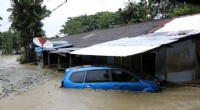
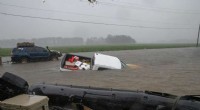
* Increased vulnerability to natural disasters: Forests act as natural buffers against floods, droughts, and landslides. Deforestation removes these buffers, making communities more vulnerable to these events.
* Loss of access to clean water: Forests play a crucial role in regulating water cycles and maintaining water quality. Deforestation disrupts these functions, leading to water scarcity and contamination.
* Health risks: Deforestation can lead to increased exposure to air pollution, waterborne diseases, and vector-borne diseases, like malaria.
Indirect Impacts:
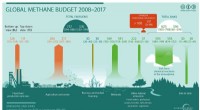
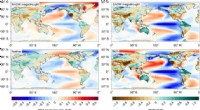
* Climate change: Forests act as carbon sinks, absorbing carbon dioxide from the atmosphere. Deforestation releases this stored carbon, contributing to global warming and its associated impacts like extreme weather events and sea-level rise.
* Biodiversity loss: Forests are home to a vast array of species, and deforestation leads to habitat loss and extinction. This loss of biodiversity can have cascading effects on ecosystems and human well-being.
* Social and cultural impacts: Forests hold cultural and spiritual significance for many communities. Deforestation can disrupt traditional practices, cultural identities, and spiritual beliefs.
* Economic impacts: While deforestation can initially create economic opportunities, the long-term impacts are negative. Deforestation leads to reduced agricultural productivity, tourism revenue, and timber resources, impacting economic growth.
* Increased conflict: Deforestation can exacerbate competition over land and resources, leading to conflict between communities, governments, and corporations.
In Summary:
Deforestation is a complex problem with far-reaching consequences for humans. It disrupts livelihoods, reduces food security, increases vulnerability to natural disasters, threatens health, contributes to climate change, and negatively impacts biodiversity and cultural values. Recognizing and addressing the impacts of deforestation is critical for ensuring sustainable development and the well-being of future generations.