1. Organization: Fire lacks a structured, organized cellular structure. It's simply a chemical reaction.
2. Metabolism: Fire consumes fuel and releases energy, but this isn't a regulated, internal metabolic process like in living organisms. It's simply a chemical transformation.
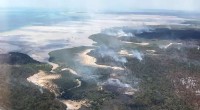
3. Growth: Fire spreads and expands, but this isn't growth in the biological sense of increasing cell mass and complexity. It's simply the spread of a reaction.
4. Reproduction: Fire doesn't reproduce in the biological sense of creating offspring. It can spread and initiate new fires, but this is not considered reproduction.
5. Responsiveness to stimuli: Fire reacts to changes in its environment (like wind or fuel availability) but this isn't a directed, conscious response. It's a simple change in reaction rate.
6. Homeostasis: Fire doesn't maintain any internal balance or stable environment. It's a highly dynamic process driven by external factors.
7. Adaptation: Fire doesn't evolve or adapt over time like living organisms. While certain types of fires might be more common due to environmental conditions, this isn't biological adaptation.
In conclusion: Fire is a complex chemical reaction, not a living organism. It displays some characteristics that might seem similar to living things, but ultimately lacks the fundamental organizing principle of life - the cell.