Environmental Challenges:
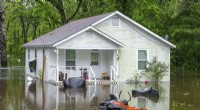
* High rainfall and humidity: Constant rain can lead to soil erosion, flooding, and landslides, damaging homes and infrastructure. It also creates challenges for agriculture and transportation.
* Dense vegetation: The thick forest canopy blocks sunlight, making it difficult to grow crops and hindering access to resources.
* Disease and pests: The warm, humid climate provides ideal breeding grounds for mosquitos and other insects, leading to high rates of malaria and other tropical diseases.
* Deforestation and habitat loss: Logging, agriculture, and mining threaten the delicate ecosystem, impacting biodiversity and displacing communities.
* Climate change: Rising temperatures and changing rainfall patterns are disrupting the delicate balance of the forest ecosystem, potentially leading to more extreme weather events and exacerbating other problems.
Social and Economic Challenges:
* Limited access to education and healthcare: Remote locations, lack of infrastructure, and limited resources make it difficult to provide quality education and healthcare services to communities in equatorial forests.
* Poverty and inequality: Limited economic opportunities, particularly in regions with high levels of deforestation, can contribute to poverty and inequality.
* Land tenure and resource rights: Indigenous communities often face challenges in securing land rights and access to resources, leaving them vulnerable to exploitation.
* Conflict and violence: Competition for resources and land rights, as well as the presence of armed groups, can lead to conflict and violence in some regions.
* Cultural preservation: Modernization and globalization can threaten traditional cultures and knowledge systems, putting pressure on indigenous communities to adapt.
Challenges related to development:
* Sustainable development: Finding a balance between economic development and environmental conservation is crucial in equatorial forests, which are rich in resources but vulnerable to exploitation.
* Infrastructure development: Building roads, electricity grids, and other infrastructure can be challenging and costly in dense forests.
* Tourism and ecotourism: While tourism can provide economic benefits, it also poses risks to the environment and cultural integrity of communities.
These are just some of the major problems faced by people living in equatorial forests. It's important to note that each community and region has its own specific challenges, and solutions must be tailored accordingly.