* Uneven Heating: The Earth is a sphere, and different parts of the Earth receive varying amounts of sunlight. The equator receives the most direct sunlight, leading to warmer temperatures, while the poles receive sunlight at a more oblique angle, leading to colder temperatures.
* Air Circulation: This uneven heating creates temperature differences, which drive air circulation patterns. Warm, less dense air rises, while cool, denser air sinks. This creates pressure differences, leading to winds.
* Moisture: Warm air can hold more moisture than cold air. As air rises and cools, it reaches its dew point, causing condensation and forming clouds.
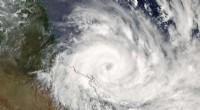
* Weather Systems: These large-scale air circulation patterns, along with moisture, create weather systems like thunderstorms, hurricanes, and fronts. Local systems are also influenced by these global patterns, as well as geographic features like mountains and bodies of water.
In short, the sun's energy is the primary driver of all weather phenomena on Earth.