Biodiversity, the variety of life on Earth, is facing numerous pressures that threaten its existence. These pressures are often interconnected and can be broadly categorized as follows:
1. Habitat Loss and Degradation:
* Deforestation: Clearing forests for agriculture, logging, and urbanization destroys habitats and disrupts ecological processes.
* Habitat Fragmentation: Breaking up large, continuous habitats into smaller, isolated patches reduces species diversity and increases vulnerability to extinction.
* Pollution: Air, water, and soil pollution degrade habitats and negatively impact species survival.
* Invasive Species: Introduction of non-native species can outcompete native species, disrupt ecosystems, and lead to biodiversity loss.
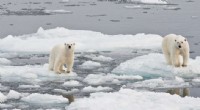
* Climate Change: Rising temperatures, altered precipitation patterns, and extreme weather events threaten habitats and species survival.
2. Overexploitation:
* Overfishing: Unsustainable fishing practices deplete fish populations and disrupt marine ecosystems.
* Overhunting: Hunting and poaching of wildlife can lead to population decline and even extinction.
* Overharvesting of Plants: Excessive harvesting of plants for food, medicine, or other uses can deplete populations and disrupt ecosystems.
3. Climate Change:
* Temperature Increases: Rising temperatures can alter species ranges, disrupt breeding cycles, and lead to increased stress on organisms.
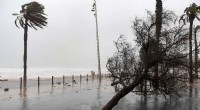
* Extreme Weather Events: More frequent and intense storms, droughts, and floods can damage habitats and cause species mortality.
* Ocean Acidification: Increased carbon dioxide absorption by the oceans leads to lower pH levels, which negatively impacts marine organisms.
4. Pollution:
* Air Pollution: Pollutants can damage plants, disrupt ecosystems, and cause respiratory problems in animals.
* Water Pollution: Contamination of water sources can harm aquatic life and disrupt water cycles.
* Soil Pollution: Contamination of soil can harm plants and soil organisms, disrupting food chains and ecosystems.
5. Disease:
* Emerging Infectious Diseases: New diseases can spread rapidly and decimate populations, especially in already stressed ecosystems.
* Habitat Loss and Fragmentation: Can facilitate disease transmission by bringing species into closer contact.
6. Human Population Growth and Consumption:
* Increased Demand for Resources: Growing human populations increase the demand for resources such as land, water, and energy, leading to habitat loss and degradation.
* Consumption Patterns: High consumption rates of resources, particularly in developed countries, put significant pressure on ecosystems and biodiversity.
Understanding and addressing these pressures is crucial to safeguarding biodiversity for present and future generations. Conservation efforts, sustainable practices, and international cooperation are essential to mitigating these threats and protecting Earth's incredible diversity of life.