Climate Change:
* Increased CO2 emissions: Trees absorb and store vast amounts of carbon dioxide. When burned, they release this carbon back into the atmosphere, contributing significantly to greenhouse gas emissions and accelerating climate change.
* Reduced carbon sinks: Fewer trees mean less carbon can be absorbed from the atmosphere, further exacerbating the problem of global warming.
Biodiversity Loss:
* Habitat destruction: Fires destroy the homes and food sources of countless species of animals, plants, insects, and microorganisms. This loss of biodiversity can disrupt ecosystems and have cascading effects on the food chain.
* Species extinction: Many species are unable to adapt to the rapid changes caused by forest fires, leading to their extinction.
Soil Degradation:
* Erosion: Fire destroys the protective layer of vegetation that holds soil together. This can lead to soil erosion by wind and water, reducing soil fertility and compromising agricultural productivity.
* Nutrient loss: Fires deplete the soil of essential nutrients, making it less fertile and impacting plant growth.
Air Quality:
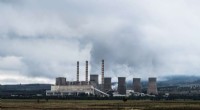
* Smoke pollution: Burning forests releases harmful pollutants like carbon monoxide, particulate matter, and volatile organic compounds into the air. This can lead to respiratory problems, cardiovascular disease, and other health issues.
* Acid rain: The pollutants released by fires can react with water vapor in the atmosphere to form acid rain, damaging forests, crops, and aquatic ecosystems.
Water Resources:
* Reduced water quality: Ash and other debris from fires can contaminate water sources, making them unsafe for drinking and harming aquatic life.
* Flooding: Fire-damaged forests can become more susceptible to flooding, as the lack of tree roots reduces the land's ability to absorb water.
Economic Impacts:
* Loss of timber and other resources: Burning forests destroys valuable timber, fuelwood, and other natural resources that are vital for local communities and economies.
* Displaced communities: Many people rely on forests for their livelihoods, and fires can displace communities and disrupt their way of life.
Overall:
Burning forests is a major environmental threat with far-reaching consequences. It contributes to climate change, biodiversity loss, soil degradation, air pollution, water contamination, and economic hardship. It is crucial to protect our forests and adopt sustainable practices to prevent and mitigate the negative impacts of forest fires.