Nitrogen is a vital element for life, making up a significant portion of DNA, RNA, and proteins. However, it's not readily available in its elemental form (N2) for most organisms. The nitrogen cycle describes how this essential element moves through the Earth's ecosystems, constantly changing forms:
1. Nitrogen Fixation:
* The journey begins with nitrogen fixation, where atmospheric nitrogen gas (N2) is converted into usable forms, mainly ammonia (NH3) and nitrate (NO3-).
* This process is primarily carried out by nitrogen-fixing bacteria, both free-living in the soil and symbiotic with certain plants (like legumes).
* Some nitrogen fixation also occurs through industrial processes (like the production of fertilizers) and lightning strikes.
2. Nitrification:
* Once ammonia is produced, nitrifying bacteria convert it into nitrite (NO2-) and then nitrate (NO3-).
* This process involves a series of oxidation reactions and is essential for making nitrogen accessible to most plants.
3. Assimilation:
* Plants absorb nitrates and ammonium from the soil and use them to build proteins, nucleic acids, and other vital organic molecules.
* This process is known as assimilation, and it brings nitrogen into the food chain.
* Animals obtain their nitrogen by consuming plants or other animals.
4. Ammonification:
* As organisms die and decompose, decomposers (bacteria and fungi) break down organic matter, releasing nitrogen back into the soil as ammonia (NH3).
* This process is called ammonification, completing the cycle.
5. Denitrification:
* Finally, denitrifying bacteria convert nitrates back into atmospheric nitrogen gas (N2).
* This process occurs in anaerobic environments, like waterlogged soils, and releases nitrogen back into the atmosphere, completing the cycle.
Human Impact on the Nitrogen Cycle:
* Industrial nitrogen fixation for fertilizers has significantly increased the amount of nitrogen in the environment, leading to pollution and environmental problems.
* Fossil fuel burning releases nitrogen oxides into the atmosphere, contributing to acid rain and air pollution.
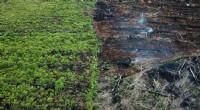
* Deforestation reduces the amount of nitrogen fixation by symbiotic bacteria in trees.
Conclusion:
The nitrogen cycle is a complex and delicate process that ensures a constant supply of this essential element for life. Understanding the nitrogen cycle is crucial for managing agricultural practices, protecting the environment, and maintaining healthy ecosystems.