1. Photosynthesis and Primary Productivity:
* Sunlight is the energy source for photosynthesis: Plants, algae, and some bacteria use sunlight to convert carbon dioxide and water into glucose (sugar) and oxygen. This process forms the basis of most food chains, providing the initial energy for all living organisms.
* Light intensity and quality influence plant growth: Different plants have adapted to varying light conditions. Some thrive in full sunlight, while others need shade to survive. Light intensity and duration influence the rate of photosynthesis, affecting plant growth, flowering, and seed production.
* Light availability dictates the structure of ecosystems: In aquatic environments, light penetration limits the depth at which photosynthesis can occur, leading to distinct zones with varying plant life and animal communities.
2. Animal Behavior and Ecology:
* Visual cues and communication: Many animals rely on light for navigation, foraging, mate selection, and predator avoidance.
* Diurnal and nocturnal patterns: Light influences the daily activity patterns of animals. Diurnal animals are active during the day, while nocturnal animals are active at night. This creates distinct niches within an ecosystem.
* Seasonal changes and migration: Changes in day length and light intensity trigger migration, breeding, and other seasonal behaviors in many animal species.
3. Other Effects:
* Temperature regulation: Light contributes to the warming of the Earth's surface, influencing local temperatures and creating microclimates.
* Water cycle: Sunlight drives evaporation, a key part of the water cycle.
* Decomposition: Light can stimulate the breakdown of organic matter by microorganisms, affecting nutrient cycling in ecosystems.
Examples of Light's Influence:
* Coral reefs: Light is crucial for the symbiotic algae (zooxanthellae) living within corals. Reduced light due to pollution or overfishing can lead to coral bleaching.
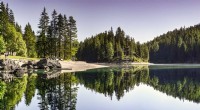
* Forests: The amount of light reaching the forest floor influences the types of plants and animals that can survive in different layers of the forest canopy.
* Polar regions: The extreme light variations throughout the year drive the unique ecosystems found in these areas.
In summary, light is a fundamental driver of life on Earth. It influences plant growth, animal behavior, and the structure and functioning of ecosystems. Understanding light's role in ecosystems is crucial for conservation efforts and maintaining the health of our planet.